
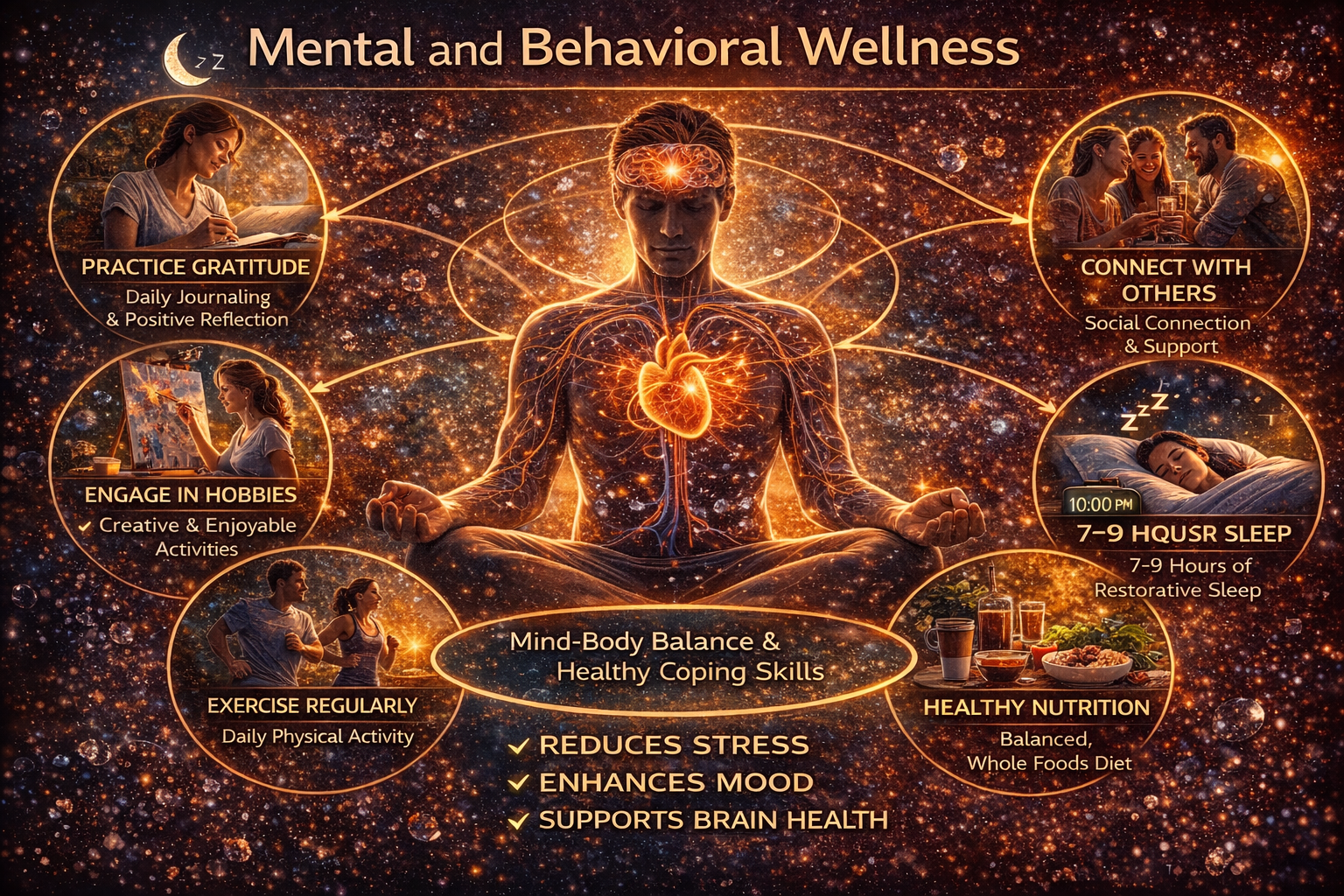
Healthy lifestyle habits are not only influenced by physical actions but also by thoughts, motivation, and behavioral patterns. The way people approach goals, manage stress, and respond to challenges often determines whether new habits become part of everyday life.
One of the most important psychological factors in habit formation is consistency. Behavioral research shows that repeating a behavior in the same context increases the likelihood that it will become automatic over time. For example, exercising at the same time each day or preparing meals in advance can help establish predictable patterns that are easier to maintain.
Motivation plays an important role in the early stages of habit development. However, long-term success often depends more on systems than on temporary motivation. Creating a supportive environment can make healthy choices easier. For instance, keeping nutritious foods accessible at home or scheduling time for physical activity can reduce the effort required to maintain positive routines.
Stress management is another key element of behavioral wellness. Everyday responsibilities, work demands, and personal obligations can create mental pressure that disrupts healthy routines. Learning practical strategies for managing stress—such as relaxation techniques, time management, or regular breaks—can help individuals maintain balance and prevent burnout.
Goal setting can also support sustainable lifestyle habits. Setting realistic, measurable goals allows people to track progress and stay focused. Instead of aiming for drastic changes, many experts recommend gradual improvements. Small steps, repeated consistently, often lead to meaningful long-term results.
Positive reinforcement is another effective behavioral tool. When individuals recognize and appreciate their progress, even small achievements can strengthen motivation. Celebrating progress—such as maintaining a routine for several weeks—can reinforce the behavior and encourage continued commitment.
Social support can also influence healthy habits. Family members, friends, or community groups can provide encouragement and accountability. Sharing goals or participating in activities together often makes healthy routines more enjoyable and sustainable.
Ultimately, healthy habits develop through a combination of mindset, environment, and consistent behavior. When individuals approach lifestyle changes with patience and flexibility, they are more likely to create routines that support long-term wellness.